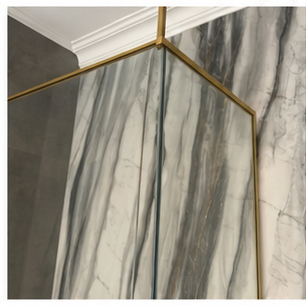
Cloudy shower glass is not always a sign that the glass itself is poor. Mineral deposits, soap film, condensation, cleaning residue and a damaged protective coating can all create a hazy surface. The right treatment depends on which problem is present.
Mineral deposits
Water left to dry on the glass can leave calcium and other minerals behind. The longer deposits remain, the more difficult they can be to remove without damaging the surface or adjacent metalwork.
Soap and body-product film
A shower may look clean immediately after use while a thin residue accumulates over time. This can combine with minerals and create a dull, uneven appearance.
Condensation and ventilation
Steam can keep the glass wet and the room humid. A demister may improve one section of the mirror or glass, but it does not extract the moisture from the room. Ventilation and replacement air remain important.
Do not start with an abrasive scourer
Abrasive pads and aggressive chemicals can scratch glass, damage coatings or mark plated and coloured hardware. Follow the selected glass and coating manufacturer’s cleaning instructions first.
Prevention is usually easier
A squeegee, sensible daily wiping, proper extraction and periodic compatible cleaning are low-cost ways to protect a premium enclosure. The handover should explain the routine rather than leaving the owner to experiment.
Read about protective shower-glass coatings, or see why bathroom ventilation matters in humid Durban homes.