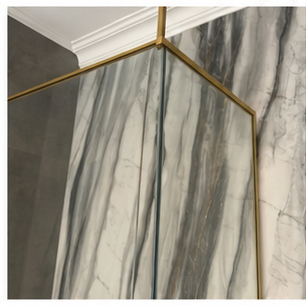
A shower enclosure can be beautifully designed and correctly installed, but its seals will not last forever. Door sweeps, magnetic strips, side seals and silicone joints are exposed to movement, cleaning and water, which makes them maintenance components rather than permanent finishes.
What seals do
Seals help control water at the door edge and between glass panels. They are not intended to turn every frameless shower into a completely sealed box. The enclosure still needs the shower head, floor fall, threshold and door swing to be designed for water retention.
Signs of wear
A seal may become cloudy, brittle, loose, split or permanently compressed. Water may begin escaping at a door edge, or the door may drag against a seal that has distorted. Replacing the worn component early is usually better than allowing water to reach cabinetry, skirtings or a vulnerable wall.
Keep the part information
Different glass thicknesses, channels and hardware systems use different seals. The project handover should record the enclosure supplier, glass thickness, hardware range and any part numbers available. A generic strip may not fit or seal correctly.
Silicone is different
Silicone joints also require inspection, but adding new silicone over a failed or dirty joint is not a durable repair. The old material may need to be removed, the surfaces cleaned and the correct compatible sealant applied by someone who understands the wet-area detail.
Serviceability is part of luxury
A premium bathroom should make ordinary maintenance possible. The owner should know what to clean, what to replace and who can supply the parts before a small seal issue becomes a larger water problem.
Read about why shower-glass serviceability matters, or see why walk-in showers can flood a bathroom.