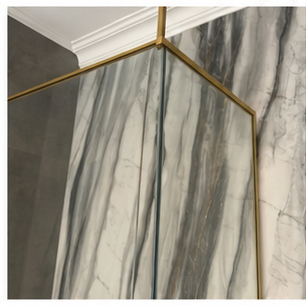
A steam shower is not simply a normal shower with a hotter outlet. The enclosure, door, seals, ceiling, generator, controls, ventilation strategy and finishes need to work as a controlled moisture environment.
The enclosure must contain steam
Gaps, door seals and the top of the screen matter more in a steam installation than in an open shower. The selected glass and hardware must suit the system, and the door needs to close reliably without excessive force.
Moisture continues after use
Steam can remain in the room and within the enclosure after the session ends. Ventilation, drainage and drying routines need to be considered so that condensation does not become a persistent mould or corrosion problem.
Hardware needs suitable care
Hinges, handles, seals and finishes are repeatedly exposed to warm moisture. Confirm the manufacturer’s maintenance requirements and whether replacement components are available. A premium finish is not a licence to use harsh chemicals.
Electrical and control planning
Generators, lighting, sensors and controls must be selected and installed by appropriately qualified professionals in accordance with the product and applicable electrical requirements. The service route should remain accessible.
Decide if the room can support it
Before selecting a steam feature, check the room volume, drainage, electrical supply, ventilation route, ceiling and waterproofing. The technology should follow a viable room design rather than be added to an enclosure that was never built for it.
Read about why ventilation still matters with an anti-fog mirror, or see why smart bathroom electronics need service access.