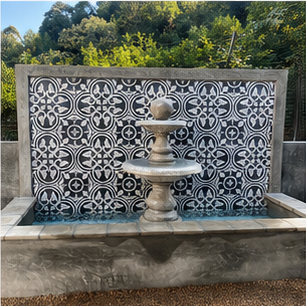
Using a related tile inside and outside can make a Durban home feel more connected to its garden, pool or covered entertainment area. The visual match is only one part of the specification.
The same look may need a different finish
An interior polished or smooth finish may not be appropriate for an exposed outdoor area. The exterior product has to be considered for wet weather, cleaning, slip behaviour and the actual traffic it will receive.
Some collections offer coordinated finishes rather than one identical product for every location.
Drainage and levels matter
Outdoor water needs to move away from doors and adjoining rooms. Thresholds, falls, channels and surface levels should be coordinated before the tile is fixed. A visually continuous surface that directs water toward the house is not a successful transition.
The underlying construction and drainage remain more important than the pattern match.
Coastal conditions deserve attention
Durban and the KZN coast expose exterior finishes to humidity, rain, dirt and in some locations salt-laden air. Cleaning guidance, grout selection and the manufacturer’s suitability information should be reviewed for the actual site.
Continuity should be designed, not forced
A related colour, format or stone reference can create continuity without pretending that indoor and outdoor surfaces have identical technical requirements. The transition should be attractive, safe and maintainable on both sides of the door.
Read why R10 is not the only wet-floor question, or see our guidance on coastal bathroom humidity and material care.