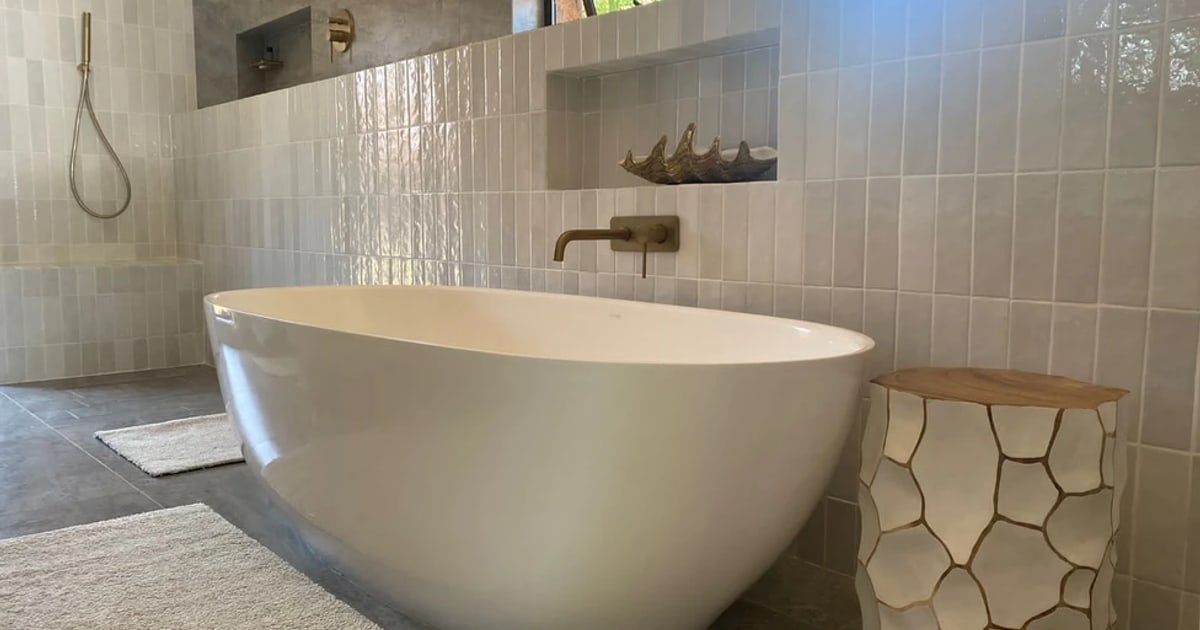
A typical full bathroom renovation may take about three to four weeks on site, but that is not a promise that applies to every room. The programme depends on how much is changing, what is found after stripping, when selected products arrive and how the different trades need to be sequenced.
The visible construction period is only one part of the project. Good preparation takes place before the first tile is removed.
Planning comes before the site programme
The first stage establishes what the new bathroom needs to achieve. Measurements, layout decisions and practical constraints are considered before the technical scope and finishes are finalised.
Moving a toilet, creating a walk-in shower or changing a doorway can affect drainage, plumbing, electrical work and preparation. These decisions need to be resolved early enough for the quotation and programme to reflect them.
Product availability is just as important. Tiles, sanitaryware, brassware, concealed fittings and other critical items should be confirmed before they are required on site. Custom joinery, stone and glass follow their own measure-and-manufacture sequence. Starting demolition while essential decisions remain open can create avoidable gaps later.
Our five-stage renovation process shows how consultation, selection, quotation, construction and handover fit together.
Stripping reveals the actual condition
Once the existing bathroom is removed, the team can inspect areas that were previously concealed. Substrates, plumbing and old waterproofing may be sound, or they may require additional preparation. The programme needs enough discipline to respond correctly rather than covering a problem to preserve an arbitrary date.
This stage also includes rubble handling and preparation for the new work. In an occupied home, access and protection need to be managed so the renovation does not spread unnecessarily into the rest of the property.
The trades must follow the correct sequence
A bathroom is compact, but several trades work through it. Plumbing and electrical preparation occur before surfaces are closed. Waterproofing and substrate preparation come before tiling. Joinery, stone, sanitaryware, brassware and glass are installed when the room is ready for them.
Trying to compress these stages without respecting preparation, curing or measurement requirements can undermine the final result. A credible programme considers dependencies rather than treating every activity as interchangeable.
Apartment projects may also be affected by building working hours, lift bookings, common-area protection and rules for rubble removal. These details are particularly relevant for Umhlanga and La Lucia apartment renovations.
Decisions that commonly cause delays
The most preventable delays often come from unresolved choices rather than construction itself:
- changing the layout after services have been positioned;
- selecting out-of-stock fittings after stripping has started;
- approving custom joinery or stone too late;
- discovering building-access requirements after scheduling;
- adding work that was not included in the accepted scope; or
- relying on a delivery date that has not been confirmed.
A clear brief, early selections and a defined quotation reduce these risks. Conditions uncovered during renovation can still affect the programme, but the project begins from a more reliable position.
When comparing timelines, ask what is included. Three weeks for cosmetic replacement is not equivalent to three weeks for layout changes, new services, waterproofing, custom joinery and glass.
Signature Bathrooms coordinates complete projects from the initial room assessment through to final review and handover. To discuss the likely sequence for your room, request a bathroom consultation and include your suburb, preferred timing and photographs of the existing space. The timing depends heavily on trade order; see our guide to sequencing the trades.