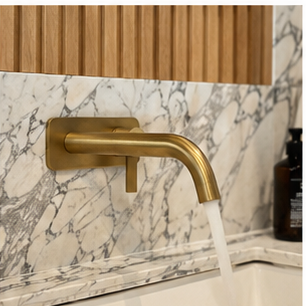
An outdoor shower is not just an indoor shower without a roof
An exterior shower or pool-side bathroom has a different exposure category from a coastal bathroom inside the house. Salt air may be combined with direct rain, pool chemicals, wet clothing, sunscreen, standing water, ultraviolet exposure and repeated wet-dry cycles.
That combination changes the questions that should be asked about the fittings, fasteners, drains, grout, sealants, cabinetry and lighting. An indoor product that performs well in a ventilated bathroom should not automatically be specified outdoors.
Separate the exposure zones
The wall behind the shower, the floor at the splash zone, the drain, the fasteners and any storage surface may each experience different conditions. A product schedule should identify which items are sheltered, which are directly sprayed and which can dry properly between uses.
“Marine grade” or “coastal grade” is not enough information by itself. Confirm the actual material, coating, test evidence, installation limitations, cleaning requirements and warranty. For electrical equipment, an IP rating addresses water or dust ingress under the relevant test conditions; it does not by itself prove resistance to salt or pool chemistry.
Plan drainage and maintenance with the finish
Outdoor water must be directed and drained without relying on grout or silicone to solve a poor fall. Surfaces should be reachable for rinsing with fresh water and inspection. Avoid inaccessible ledges and mixed-metal fixings that can trap moisture or accelerate galvanic corrosion.
The pool-adjacent bathroom material guide, the coastal maintenance plan, and the guidance on stainless and galvanic corrosion should be read together before specifying an exposed installation.