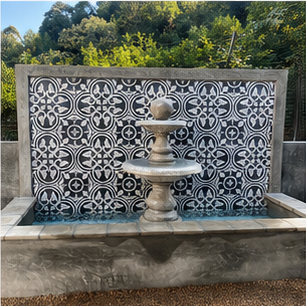
Luxury bathroom design is often associated with very large stone-effect slabs. A patterned small-format tile can be just as considered when it is used with discipline.
Small format creates rhythm
Repeating shapes can define a powder room, vanity wall, shower niche or selected floor area. The joint pattern becomes part of the architecture rather than a background line between large pieces.
That rhythm needs to be balanced against the room’s other surfaces, mirrors, fittings and lighting.
Pattern direction must be controlled
Some tiles have a clear orientation. Others need to be rotated or mixed to prevent visible blocks. The installer should understand the pattern before fixing and keep the layout consistent around corners, openings and service penetrations.
A small tile can require more decisions, not fewer.
Grout is part of the graphic
Matching grout can soften the pattern. Contrast can make the geometry stronger. The joint width, grout system and cleaning expectation all influence the finished appearance.
The best colour is the one that supports the intended visual hierarchy of the room.
Detail can be more luxurious than scale
A small-format feature is often successful because it gives the eye something to discover without covering every surface in activity. Used with a quieter large-format tile, it can make a bathroom feel layered and specific to the home.
Luxury is not a measurement on the box. It is the quality of the decisions around the material.
Continue with why a small mosaic can be a premium shower-floor choice, or read how grout colour changes a luxury bathroom.