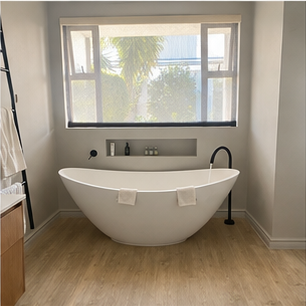
The modern extractor fan is not the beginning of bathroom ventilation. Older houses used windows, high ceilings, verandas, openable vents and the separation of wet areas from the main living rooms to manage moisture and air.
The methods have changed, but the problem remains: a bathroom adds water vapour to a building, and that vapour needs a reliable route out.
Older buildings used passive ventilation
Many older Natal buildings were designed with generous openings, verandas, high ceilings or separate service areas. These features could help air move through the building and keep wet household work away from the most formal rooms.
That does not mean every older bathroom was well ventilated. It means the building’s original air movement formed part of its environmental strategy, whether or not the occupants described it in modern technical language.
When a bathroom is altered, a window may be replaced, a wall may be closed, or a former service space may be sealed behind new finishes. The renovation can accidentally remove the ventilation the building once had.
Durban’s climate makes the issue more visible
Humid coastal conditions can make condensation, mould and slow drying more persistent. In Umhlanga, Umdloti, Durban North and other exposed areas, a bathroom needs a plan for moisture even when the room has attractive finishes and good natural light.
Waterproofing protects the structure from liquid water. It does not remove humid air. A bathroom can have correctly installed waterproofing and still develop mould on a ceiling or external wall if the moisture is not extracted and replacement air is not available.
The extractor must discharge properly
An extractor fan that simply blows into a ceiling void moves the problem rather than solving it. Moist air should be ducted to a suitable external termination, with the route planned around bends, length and access for maintenance.
The electrical work and final connection should be handled by the appropriately qualified professional. The renovation team still needs to coordinate the fan, ducting route, ceiling, lighting, mirror and joinery before the finishes are closed.
Luxury materials need a stable environment
Humidity affects more than paint. It influences natural stone, grout, timber joinery, metal finishes, mirror edges and the drying time of surfaces after use.
A luxury bathroom should therefore consider:
- how quickly the room can clear steam;
- whether the mirror will remain usable;
- whether the vanity material is suitable for humidity;
- how the shower screen and walls will dry;
- whether metal finishes are exposed to standing salt or chemical residue;
- whether the household can clean and maintain the room correctly.
The beautiful finish is easier to preserve when the room’s moisture load has been planned.
Richard’s practical perspective
Richard McKie has worked through Reno Incorporated and Signature Bathrooms for roughly 35 years. In that time, bathroom products have changed considerably, but the consequences of poor ventilation remain familiar: mould, damaged finishes, unpleasant odours and maintenance that becomes harder than it should be.
Ventilation is therefore discussed as part of the bathroom design, not added after the tile and mirror decisions have already been made.
A historical lesson for modern renovations
The historical record reminds us that bathrooms have always been shaped by the building around them. Water, air, privacy, service routes and household routines all influence where the room can work best.
Modern extraction technology gives us more control, but it does not remove the need to understand the property. A sealed-up older room may need a different solution from a new bathroom with an external wall. An apartment may have restrictions on penetrations and exhaust routes. A coastal home may need more disciplined maintenance than an inland one.
Good ventilation is part of the luxury experience because it keeps the bathroom comfortable, usable and easier to maintain.
For related guidance, see our articles on coastal waterproofing and ventilation, extractor-fan ducting and humidity, mould and corrosion in Durban bathrooms.
Research note
This article uses historical Natal building and domestic-service context as a starting point for discussing ventilation. It does not claim that every historic building used the same passive strategy. Current ventilation design must be checked against the room, building, electrical requirements and applicable professional advice.