A full home renovation rarely happens all at once. Most Durban homeowners work through rooms in phases — a bathroom, then a kitchen, sometimes an extension or conversion — over months or even years. Understanding where bathroom work sits in that sequence avoids costly rework and keeps trades from crossing each other.
Why the sequence matters more than most people expect
Trades in a renovation are not independent. Electrical wiring runs behind tiled walls. Plumbing passes through slabs. Waterproofing must cure before tiles are laid. If a bathroom renovation is planned in isolation from other work happening in the same home, changes further down the line can force demolition of completed areas.
Before any contractor begins, it is worth mapping the full scope across rooms — even if the work will happen in phases.
The typical sequence in a Durban home
Structural and civil first. Any changes to walls, beams, drainage routes or slab openings must be resolved before finishes start anywhere. Granny flat additions, garage conversions and room extensions all fall here. They introduce new services and alter the building in ways that directly affect bathroom and kitchen planning downstream.
Wet rooms before dry rooms. Bathrooms and kitchens involve waterproofing, plumbing, tiling and cabinetry in a fixed order. They take longer than painted rooms and require uninterrupted access for each trade in sequence. Coordinate the programmes for both if they run concurrently — shared plumbers and tilers can work efficiently across two rooms when their visits are planned together.
Painting and flooring last. Renovation generates dust, foot traffic and the occasional scuff. New paintwork and polished floors belong at the end of the project, not as an intermediate step.
What to combine where possible
Consolidating work that shares trades reduces total project time and often reduces cost. A bathroom renovation requiring a plumber can be coordinated with any kitchen plumbing work at the same time. Electrical work in a new en-suite can run alongside upgrades elsewhere in the home.
For larger projects — new builds, full-house alterations, retail and office fit-outs — a contractor managing the full scope removes the coordination burden entirely. Reno Incorporated, our parent company, provides construction and alteration services across all trades in the Durban area: kitchens, roofing, boundary walls, electrical, carpentry, painting and paving, under a single turnkey contract.
Where bathrooms fit in a phased project
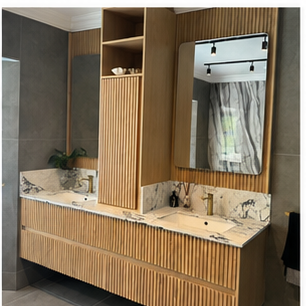
If you are renovating in phases, the bathroom is often a sensible starting point. It is a self-contained room with defined services and a clear outcome. A completed bathroom does not depend on what happens later in the kitchen or lounge, and it delivers an immediate improvement to daily life from the moment it is finished.
Where multiple bathrooms exist, completing one before starting the other means the household is never without a functioning bathroom during construction — an important practical consideration for families.
Preparing a brief that covers the full scope
Before any contractor visits, record what you intend to do across all rooms. Note which works are essential, which are deferred, and which must happen at the same time. Confirm whether structural changes require building plan approval and whether estate or body corporate rules apply.
For coastal properties — Umhlanga, Ballito, La Lucia and the North Coast generally — material selection deserves early attention. The humid and salt-laden air affects what tiles, joinery and fittings perform well over time.
A clear brief lets a contractor price accurately and plan resource without building assumptions into the quotation that may not reflect reality.
Contact Signature Bathrooms to discuss your bathroom as part of a broader renovation programme. For kitchen, structural and full-house work, visit Reno Incorporated at renoinc.co.za.
Related renovation guidance
For the wider project context, continue with related bathroom renovation guidance.